
Every transaction involves moving money from a customer to a business. Most are routine and smooth. But some are marked as high-risk because they have a greater chance of fraud, chargebacks, or compliance problems. Understanding what makes a high-risk transaction helps businesses protect themselves and choose the right services.
High-risk transactions may happen in certain industries or involve unusual spending patterns. These can lead to losses or legal issues if not handled well. Being aware of risk factors also helps you mitigate problems and reduce the risk of fraud and disputes.
What Is a High-Risk Transaction?
A high-risk transaction is a risk transaction that carries a higher chance of chargebacks, fraud, or compliance issues compared with normal payments. When banks or payment processors see a transaction as high risk, they may place extra checks or restrictions on it. These transactions often need special fraud prevention tools or stricter monitoring.
High-risk transactions are more common in certain fields, especially where customers dispute payments more often. Some industries naturally see higher chargeback and fraud rates, so payments in those sectors are closely watched.
Why Some Transactions Are High Risk
There are several reasons a transaction can be considered high risk:
1. Chargebacks and Refunds
When a customer disputes a payment, the merchant can be hit with a chargeback. If this happens often, banks see a higher level of risk. Frequent chargebacks signal uncertainty about the legitimacy of transactions, which pushes payment providers to classify them as high-risk.
2. Industry Type
Certain sectors have a history of disputes or legal scrutiny. These include travel agents, subscription services, CBD, or online gambling. Because customers may change plans or cancel services, these businesses have more disputes, making transactions from them more likely to be flagged.
3. High Ticket or Large Transactions
A transaction that involves a high value item or service tends to have a higher chance of dispute or fraud. Payment processors see these as more expensive to manage, and thus, riskier than small day-to-day transactions.
4. International Factors
Payments from other countries or cross-border transactions are more complex for banks to check. Different banking laws, currency issues, and verification challenges make these transactions more likely to be tagged as high risk.
5. Recurring Billing
Subscriptions and auto-renewals can lead to disputes when customers forget about future charges. These recurring transactions often have more disputes than one-time purchases, raising their risk profile.
Examples of High-Risk Transactions
Some common transactions examples that may be considered high-risk include:
- Payments for travel bookings or event tickets.
- Subscription charges that renew automatically.
- High dollar purchases like luxury goods or electronics.
- Cross-border sales involving currency conversion.
- Digital products that are harder to verify, like online courses.
These all have a higher risk of fraud or dispute than everyday retail transactions.
How High-Risk Transactions Affect Businesses
When a business processes high-risk payments, it can face several challenges:
Higher Fees
Payment providers may charge more for processing high-risk transactions to cover potential losses. This means businesses pay more per sale compared with low-risk transactions.
Special Requirements
Banks may ask for more documentation, such as proof of compliance with laws or financial records. This helps them judge the business’s ability to handle risk.
Rolling Reserves
To reduce the risk of loss, some providers hold a percentage of funds for a period before releasing them to the merchant. This helps them manage potential disputes but slows cash flow.
Limited Service Options
Some mainstream processors may refuse to support high-risk accounts. Businesses often need a specialized provider that can handle high-risk payment processing.
How to Manage High-Risk Transactions
Even if your business deals with high-risk transactions, you can still protect your operations. Here are some strategies:
Strong Fraud Prevention
Use tools that screen for unusual activities, verify card details, and detect suspicious patterns. Real-time transaction monitoring helps spot fraud early.
If disputes happen often, good detection systems can stop harmful payments before they clear.
Clear Policies
Make refund and cancellation terms easy to find and understand. When customers know what to expect, disputes drop, and chargebacks become less common.
Work With the Right Provider
Choosing the right merchant services is important. Some providers like Inclusive Pay offer solutions for businesses facing higher risk. They help you manage payments and ensure compliance with financial rules through checks that protect your business and customers.
Inclusive Pay offers tailored payment services that support challenging transaction types while helping you stay compliant and efficient. You can learn more about how they handle secure payments and support business growth with tools like merchant services and advanced compliance checks.
Frequent Monitoring
Keep track of transaction patterns and changes in volumes. Unusual changes — like a sudden jump in payment size or frequency — might signal fraud or errors. Timely action helps avoid losses.
What Is a High-Risk Merchant?
A high-risk merchant is a business that regularly deals with transactions that have a higher chance of chargebacks, fraudulent transactions, or regulatory challenges. A high-risk merchant service provider helps these businesses accept payments while managing the risk.
Examples include travel sites, digital goods sellers, subscription businesses, and sectors like online gambling or CBD sales. These industries deal with issues like legal rules or customer disputes more often than normal retail, so banks take extra steps to secure their payments.
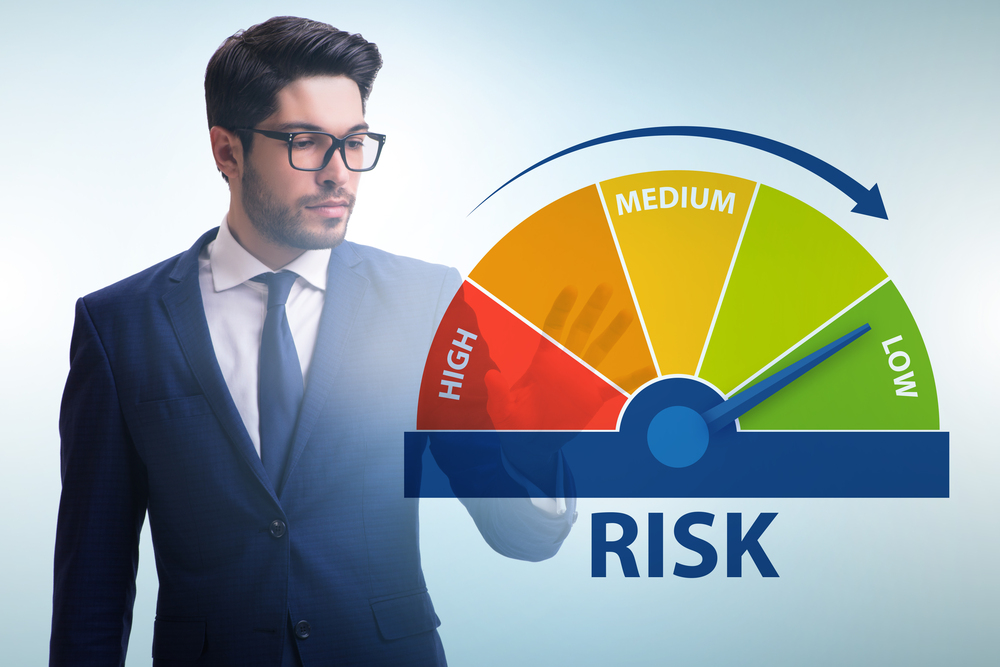
Reduce Risk and Protect Your Business
High-risk transactions are part of running many types of businesses. Knowing what makes a payment high risk — such as large ticket values, international sales, or subscription models — helps you plan better and stay protected.
You can take steps to mitigate risks through strong fraud controls, good customer policies, and using services designed for these payments. Choosing the right payment method and secure infrastructure also helps reduce disputes and keep your business stable.
Working with reliable partners and using strong monitoring tools helps you manage high-risk transactions effectively. When you know the risk factors and how to respond, you can build trust with customers and keep your operations secure.
Frequently Asked Questions About High-Risk Transactions
What are low-risk transactions compared to high-risk transactions?
Low-risk transactions usually involve small amounts, local buyers, and clear purchase history. High-risk transactions often include large transactions, cross-border transactions, or card-not-present transactions. These transactions are more susceptible to fraud and disputes due to a higher risk profile.
How do payment processors decide whether a transaction is high-risk?
Payment processors review the transaction amount, transaction history, transaction patterns, and the industry type. Factors like high-value transactions, international transactions, and unusual behavior help determine whether a transaction is high-risk or low-risk.
Why are certain industries classified as high risk?
Certain industries have higher chargebacks, refund requests, or legal rules. Industries such as online gambling and credit repair services are often classified as high risk because transactions often involve higher fraud risk and disputes.
How do high-risk transactions affect merchant accounts?
High-risk transactions can result in higher processing fees, rolling reserves, and stricter rules. Some merchant accounts also require extra checks to manage risk associated with chargebacks and fraudulent transactions.
What is high-risk payment processing?
High-risk payment processing supports businesses that handle especially high-risk payments. These services use fraud prevention tools, real-time transaction monitoring, and secure payment gateways to help reduce the risk of fraud and disputes.
How do high-risk transactions impact credit card payments?
Credit card payments linked to high-risk transactions face more checks. Card-not-present transactions and high-value purchases increase the risk for fraud, especially when card details are exposed or the card is used online.

Can high-risk transactions be managed effectively?
Yes. High-risk transactions effectively handled use risk management strategies such as fraud detection, monitoring transaction patterns, and choosing secure payment methods. These steps help reduce disputes and improve approval rates.
What challenges do high-risk businesses face?
High-risk businesses face higher fees, stricter compliance rules, and limited access to payment processors. These challenges associated with high-risk operations make choosing the right provider important.
How can businesses help reduce the risk of fraud?
Businesses can help reduce the risk through fraud prevention tools, clear refund policies, and real-time transaction monitoring. Secure payment gateways and strong identity checks also lower fraud risk.
Why work with a high-risk merchant service provider?
A high-risk merchant service provider understands the challenges of high-risk and low-risk payments. Providers like Inclusive Pay help businesses manage high-risk transactions and ensure compliance with industry rules.